· Personal Finance Tips · 5 min read
Step-by-Step Guide to Using Balance Transfer Without Falling Into Debt
Balance transfers can reduce interest, but only with discipline. This guide explains how to use balance transfer offers safely without falling deeper into debt.

A balance transfer often feels like instant relief. Moving your credit card balance to another card with low or zero interest can reduce immediate pressure and make monthly payments feel manageable.
However, the reality can be very different. Without proper planning, balance transfers can quietly become more expensive than the original debt. Many borrowers realise this only when interest jumps, EMIs increase, and recovery calls return.
In this blog, you’ll learn how balance transfers really work, common mistakes that turn them into debt traps, and practical steps to use them safely and effectively.
Understanding the Balance Transfer Trap
A balance transfer means shifting your unpaid credit card balance to another card offering low or 0% interest for a limited period. While this sounds helpful, it comes with conditions many borrowers overlook.
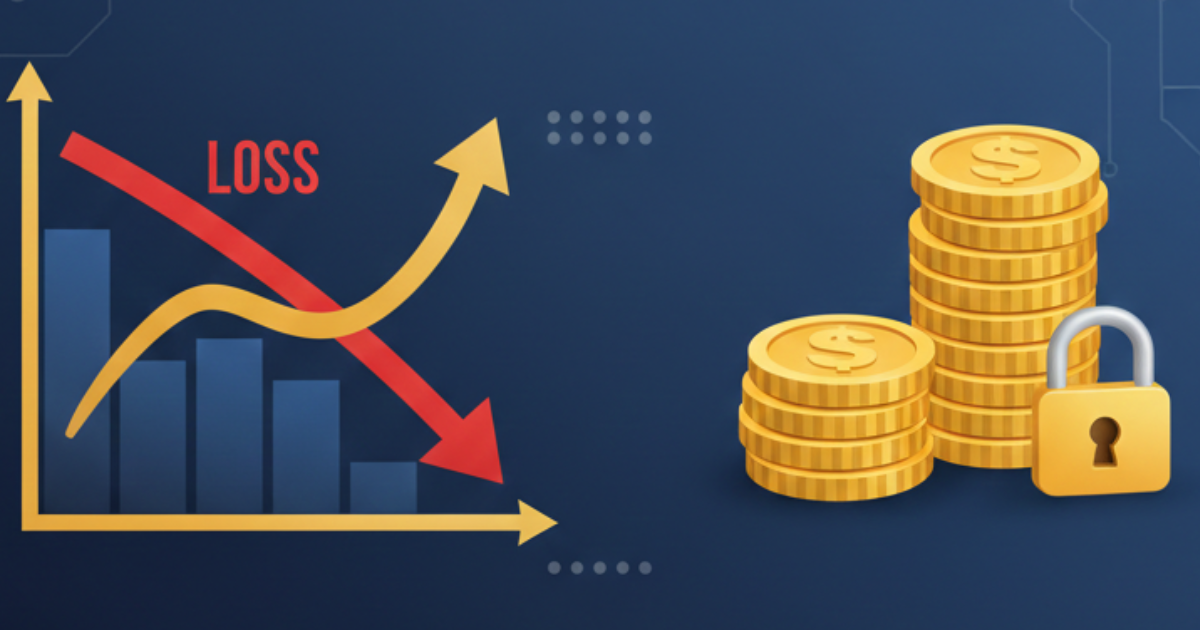
The trap begins when people assume zero interest means no urgency. The promotional period is temporary, and once it ends, interest rates rise sharply. Transfer fees may apply, and any new spending on the card creates additional debt.
Without a clear repayment plan, the balance starts growing again, often faster than before leading to renewed financial stress and recovery pressure.
How to Use Balance Transfer Without Falling Into Debt
Balance transfers are not harmful on their own. Problems arise when they are used without structure or discipline.
Below are essential steps to ensure a balance transfer actually helps you reduce debt.
Understand the 0% APR Time Limit
Most balance transfer offers provide 0% or low interest for a limited period usually 3, 6, or 12 months. This period passes faster than expected.
Once it ends, interest applies to the remaining balance at a much higher rate. Missing this deadline is one of the main reasons balance transfers become expensive.
Always note the exact expiry date and set reminders well in advance.
Calculate Payoff Before APR Expiry
Before transferring a balance, calculate:
● Total amount being transferred
● Length of the low-interest period
● Monthly payment needed to clear the full balance
Ask yourself if this monthly amount comfortably fits your budget. If it feels tight, the balance transfer may increase risk instead of reducing it.
A balance transfer works only when the full amount is repaid within the offer period.
Avoid New Spending on the Balance Transfer Card
Many people fall into debt again because they treat the transferred card like a fresh start. Once the old card shows zero balance, spending begins again.
New purchases usually attract regular interest and increase total debt. To stay safe, use the balance transfer card strictly for repayment. Avoid shopping or daily expenses on it.
Discipline during this phase is what prevents debt from rebuilding.
Watch Credit Score Impact
Balance transfers can impact your credit score in both positive and negative ways. Clearing overdue balances and reducing utilisation may help your score.
However, applying for a new card creates a credit enquiry, and maxing out limits or missing payments can quickly lower your score.
Pay at least the minimum due on time and avoid additional spending to maintain a healthy credit profile.
Prepare for Recovery Pressure if Planning Fails
If the balance is not cleared before the low-interest period ends, high interest, late fees, and penalties may apply. Missed payments can trigger recovery calls and emotional stress.
To protect yourself, maintain written records, track due dates carefully, and communicate with lenders in writing. Know that abusive recovery practices are not allowed, and official grievance channels exist.
The best defence is advance planning and awareness.
Using Balance Transfer as a Planned Strategy
A balance transfer should be treated as a structured plan—not an emergency escape.
A safe strategy includes:
● One-time balance transfer
● Fixed monthly repayment plan
● No new credit usage
● Clear exit timeline
● Emergency backup fund
Used with discipline, balance transfers can reduce interest burden and provide breathing space.
Conclusion
A balance transfer can be useful, but only when handled with control and planning. It is not free money—it is borrowed time to repay debt.
Without a clear plan, this “free” offer can turn into one of the most expensive mistakes. Used wisely, it reduces pressure and restores control. Used carelessly, it deepens debt.
Share your thoughts or experiences in the comments—your story might help someone else avoid an expensive mistake. Also, read about how errors in CIBIL reports can affect your credit score.
FAQs
Q1. Is a balance transfer really a good way to reduce debt?
Yes, a balance transfer can reduce interest costs if the full balance is repaid within the low or 0% APR period and no new debt is added.
Q2. What happens if I don’t repay the balance before the 0% period ends?
Once the offer expires, high interest applies to the remaining balance, which can significantly increase your debt and monthly payments.
Q3. Can I use the balance transfer card for new purchases?
It’s best to avoid new spending, as purchases usually attract regular interest and can increase total debt quickly.
Q4. Does a balance transfer affect my credit score?
It can impact your score both ways—responsible repayments may help, but missed payments or high usage can lower it.
Q5. Can balance transfer failure lead to recovery calls?
Yes, if payments are missed after the offer period, recovery calls and late fees may start, increasing financial stress.
Disclaimer
The information shared in this blog is for general awareness only. Every individual’s situation may differ, and the actual process or outcome can vary based on personal and legal circumstances.