
· Debt Settlement · 6 min read
Risks of Settling a Loan Without Professional Guidance
Understand the long-term impact of debt settlement versus paying minimum dues and how each option may affect your financial stability.
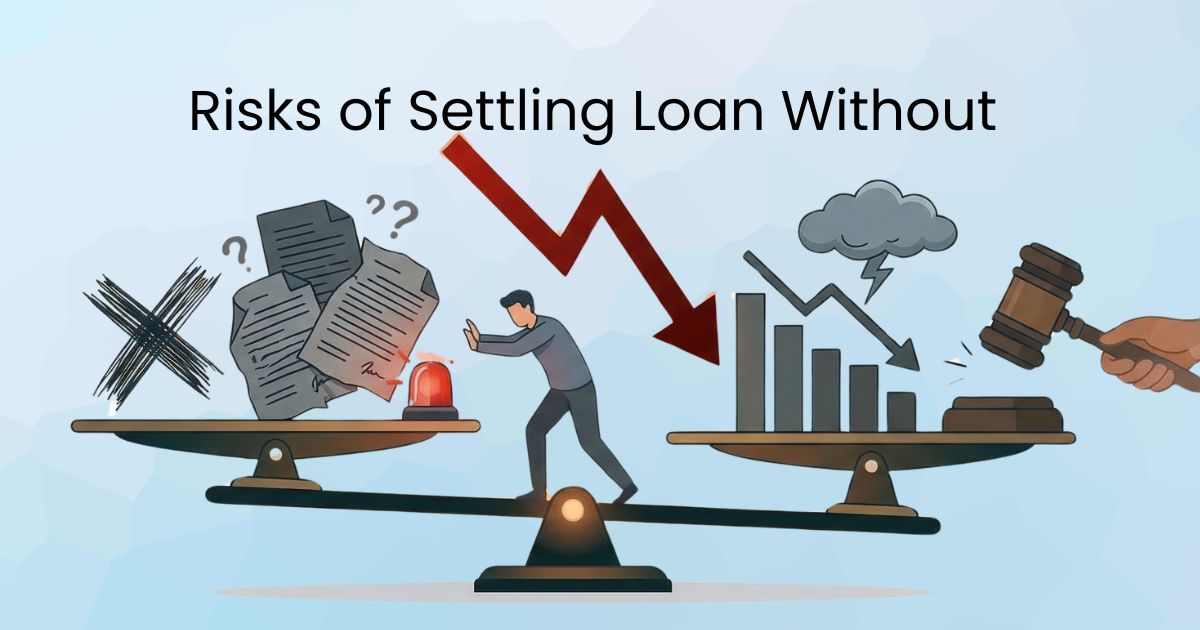
Managing loan repayments can become stressful when financial circumstances change. Many borrowers explore loan settlement as a possible way to resolve pending dues and move forward. Banks and financial institutions sometimes allow settlement discussions, especially when borrowers face genuine financial difficulties.
However, loan settlement is not always as straightforward as it may appear. When people attempt to settle loans on their own without proper guidance, they may unknowingly make decisions that affect their financial profile, credit history, or legal position.
Understanding the possible risks before entering a settlement process can help borrowers approach the situation more carefully and make informed decisions.
This article explores some of the potential challenges associated with settling a loan without professional guidance.
Understanding Loan Settlement
Loan settlement usually refers to an arrangement where a borrower and lender mutually agree to close an outstanding loan account under specific conditions. This typically happens when the borrower is unable to continue regular repayments due to financial hardship.
In such situations, the lender may review the borrower’s circumstances and discuss possible options for resolving the outstanding balance.
While settlement discussions may appear simple, the process often involves documentation, communication with lenders, and understanding the implications of the settlement terms.
Without proper clarity, borrowers may agree to conditions that they do not fully understand.
Why Many Borrowers Try to Handle Settlement Themselves
There are several reasons why individuals attempt to settle loans without seeking guidance.
Some borrowers believe they can negotiate directly with the bank or lender. Others may want to avoid additional expenses or feel uncomfortable discussing their financial situation with professionals.
In certain cases, borrowers might rely on advice from friends, online forums, or informal sources. While such suggestions may come from good intentions, they may not always reflect the actual policies or procedures followed by lenders.
As a result, borrowers may unknowingly expose themselves to avoidable risks.
Possible Risks of Settling a Loan Without Professional Guidance
1. Misunderstanding Settlement Terms
Loan settlement agreements may include specific terms related to payment timelines, documentation, and account closure.
Without carefully reviewing these details, borrowers may misunderstand the conditions or overlook important aspects of the agreement. This could lead to confusion later if the lender’s records do not reflect what the borrower expected.
Professional guidance often helps borrowers review settlement terms and understand what they are agreeing to.
2. Impact on Credit History
Loan settlement can sometimes influence a borrower’s credit history. Many borrowers are not fully aware of how settlement entries may appear in credit reports or how lenders interpret such records.
Without understanding these aspects, borrowers may assume that settlement will completely clear their financial history.
In reality, the way a settlement is reported can vary depending on the lender’s policies and the circumstances of the loan account.
Being aware of these possibilities allows borrowers to make more informed decisions.
3. Lack of Proper Documentation
Another common challenge arises when settlement discussions take place without proper written documentation.
Borrowers who rely only on verbal communication may later face difficulty proving the terms of the agreement. If records are incomplete or unclear, it can create confusion regarding the settlement status of the loan.
Maintaining documented communication and settlement confirmation is an important part of the process.
4. Dealing with Recovery Pressure
Some borrowers consider settlement when they begin receiving frequent calls or visits from recovery agents.
In such situations, stress and urgency can influence decision-making. Borrowers may feel pressured to agree to certain terms without fully evaluating the consequences.
Professional support may help borrowers understand their rights and approach the situation more calmly.
5. Falling for Unverified Advice
Another risk involves relying on unverified information about loan settlement.
Online sources, informal advice, or third-party agents may sometimes provide incomplete or inaccurate suggestions about how settlements work.
Borrowers who act based on such information may later realize that the situation is more complex than expected.
Seeking guidance from experienced professionals can help clarify the actual process and available options.
6. Negotiation Challenges with Lenders
Negotiating with financial institutions can sometimes be complicated. Banks and lenders typically follow structured internal processes when discussing settlements.
Borrowers may find it difficult to communicate effectively or present their financial situation in a way that leads to productive discussions.
Professional assistance may help borrowers approach these conversations more confidently and clearly.
Importance of Understanding Borrower Rights
Many borrowers facing financial challenges are not fully aware of their rights during loan recovery or settlement discussions.
Indian banking guidelines generally encourage fair practices in recovery processes. However, borrowers may still feel uncertain about how to handle communication with lenders or recovery agents.
Having a clear understanding of borrower rights can help individuals respond appropriately and avoid unnecessary stress.
When Professional Guidance May Be Helpful
While some borrowers prefer handling financial matters independently, there are situations where professional guidance may be beneficial.
For example:
When the loan amount or number of loans is complex
When communication with lenders becomes difficult
When recovery pressure begins affecting daily life
When borrowers are unsure about settlement documentation
Professionals who deal with debt resolution cases often have experience navigating such discussions and explaining possible options.
Approaching Loan Settlement More Carefully
Borrowers facing repayment challenges may consider taking a thoughtful approach before initiating a settlement discussion.
This may include:
Reviewing the loan account status
Understanding possible implications of settlement
Keeping proper records of communication
Seeking guidance when the situation becomes complex
Taking time to understand the process can help borrowers avoid confusion and approach the situation with greater clarity.
Final Thoughts
Loan settlement may sometimes appear to be a quick solution for managing pending dues. However, the process can involve several financial and procedural aspects that borrowers may not fully anticipate.
Attempting to settle a loan without proper guidance could lead to misunderstandings, documentation issues, or unexpected consequences.
For borrowers experiencing financial stress, taking a careful and informed approach can make a significant difference. Seeking reliable information and understanding available options may help individuals navigate loan settlement discussions more confidently.
FAQs
- Is loan settlement a good option for borrowers facing financial difficulties?
Loan settlement may be considered by some borrowers when regular repayment becomes difficult. However, the suitability of this option can depend on individual financial circumstances and lender policies.
- Can I settle my loan directly with the bank?
Some borrowers choose to communicate directly with their lenders regarding settlement. However, understanding the terms and implications of the agreement is important before proceeding.
- Does loan settlement affect credit history?
In some situations, settlement entries may appear in credit reports. The impact can vary depending on how the lender reports the account and other factors related to the borrower’s credit profile.
- What should I check before agreeing to a settlement?
Borrowers may consider reviewing settlement terms carefully, maintaining proper documentation, and understanding how the agreement will be recorded by the lender.
- What can borrowers do if recovery agents are pressuring them?
Borrowers facing recovery pressure may consider understanding their rights and documenting communication with lenders or recovery representatives. Seeking professional guidance may also help clarify available options.
Disclaimer
The information shared in this blog is for general awareness only. Every borrower’s situation may differ, and the actual process or outcome can vary based on individual circumstances.

.zGxLm85-.jpg)