· Personal Finance Tips · 5 min read
Guide to Recover from Trading Loss Without Falling Into Debt
A practical guide for traders on recovering from trading losses without borrowing money, avoiding debt traps, and protecting mental and financial health.
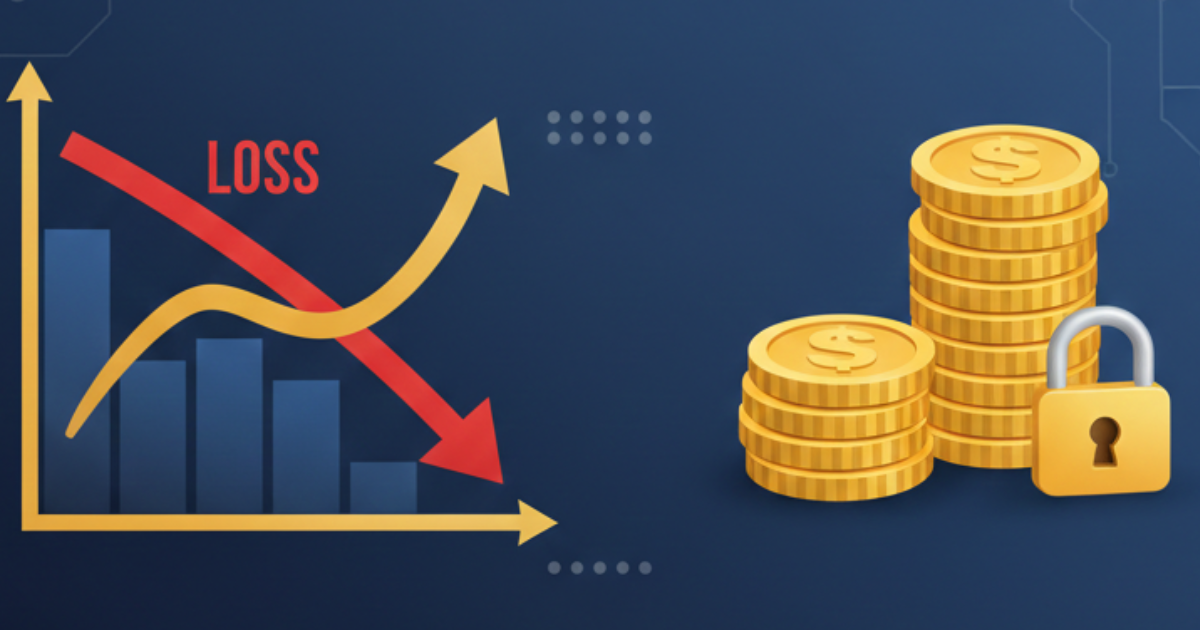
A trading loss can feel much heavier than expected. The money is gone, confidence takes a hit, and emotions start running high. Many traders feel a strong urge to recover the loss quickly, which often leads to rushed and risky decisions. Instead of pausing, they try to act fast.
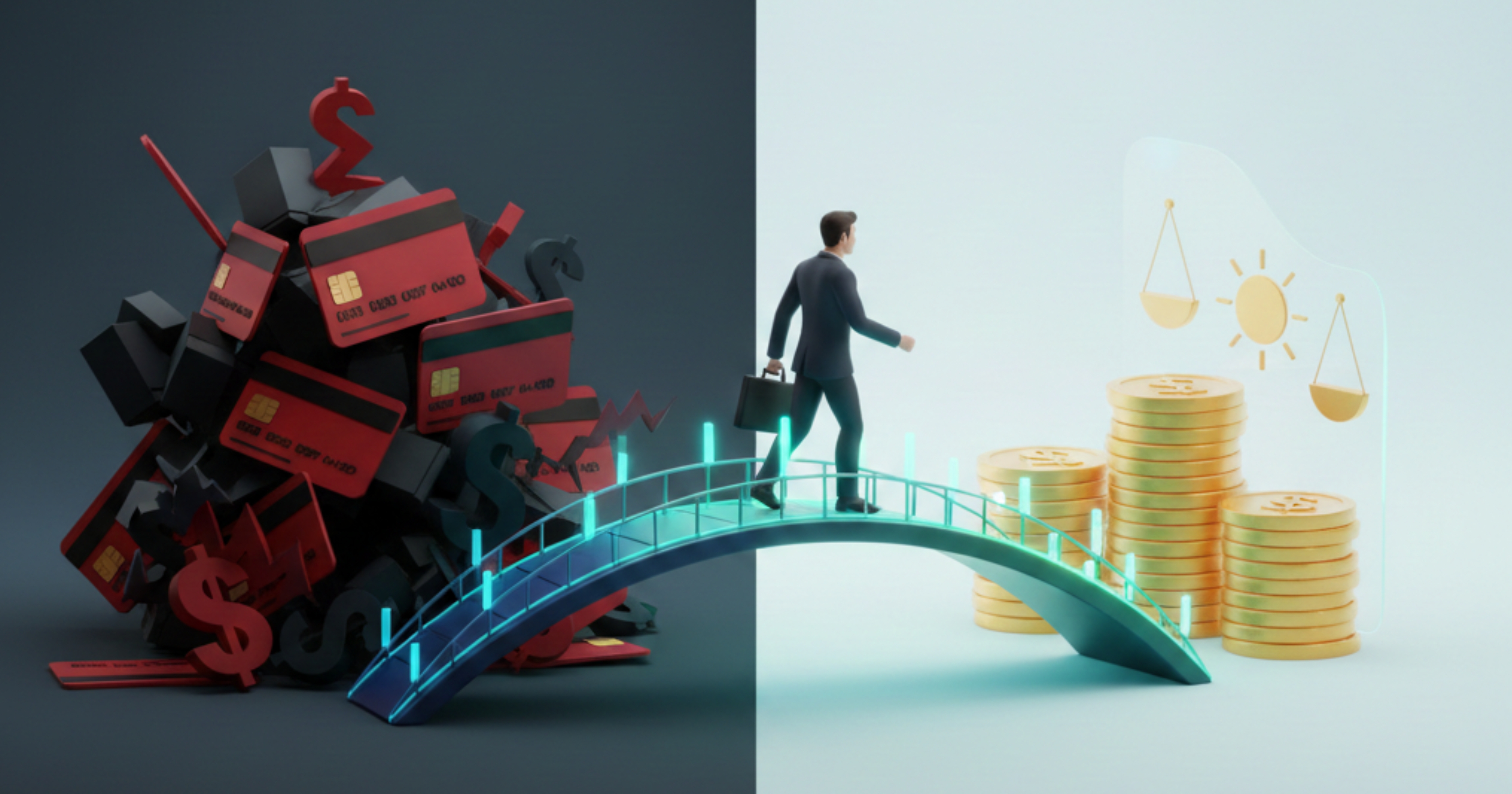
One of the biggest mistakes after a trading loss is borrowing money to “win it back.” It may seem like a quick solution, but it usually creates more problems. Borrowed money adds pressure, fear, and the risk of losing even more. Soon, one loss turns into stress, EMIs, and recovery pressure.
In this blog, you’ll learn why trading losses often turn into debt traps, how to recover in a safer and calmer way without borrowing, and how to deal with loan or recovery pressure if it starts after losses. The goal is to protect both your money and your peace of mind.
Why Trading Losses Turn Into a Debt Trap
Trading losses become dangerous when emotions take over decision-making. There is a strong urge to recover money quickly. To do that, many traders borrow funds, believing extra capital will fix the problem.
At first, it may feel like a fresh start. But borrowed money comes with pressure. Every trade now carries the stress of repayment. This pressure pushes traders to take bigger and riskier bets.
Instead of slowing down, they rush. Losses then grow faster, not smaller. What started as a trading mistake slowly turns into loan stress, interest burden, and constant worry.
Understanding this pattern is important. Once you see how emotions and borrowing mix badly, you can pause, regain control, and avoid turning a trading loss into a long-term financial problem.
How to Recover From Trading Losses Without Falling Into Debt
Recovery from a trading loss is about control, not speed. Below are the steps to recover safely without taking loans.
1. Accept the Loss
Acceptance is the hardest step, but also the most important one after a trading loss. Many traders stay stuck because they keep replaying the past, thinking one more trade will fix everything.
This mindset leads to emotional trading, not smart decisions. The truth is simple: the loss has already happened. Fighting it only increases stress and leads to more mistakes.
When you accept the loss, your mind begins to calm down. Emotional pressure reduces, and you stop chasing quick wins. Real recovery begins when you stop fighting the loss and move forward calmly.
2. Stop Adding New Money
After a loss, adding more money may feel like the fastest way to recover, but it usually makes the situation worse. When emotions are still high, decisions become rushed and risky.
The safest move is to pause. Do not add new capital immediately after a loss. Step away from trading and give your mind time to settle. This break protects your remaining savings and prevents further damage.
Taking a pause is not giving up—it is a smart way to regain control and clarity.
Also Read: Lost Your Job and Can’t Pay EMIs? Here’s How to Handle Loan Defaults Legally
3. Use Proper Tax Planning
Many traders ignore tax planning after a loss, but it can play a helpful role in recovery. In many cases, trading losses can be adjusted against future profits, reducing tax liability later.
Maintaining proper records of trades, losses, and statements is essential. It also helps you stay compliant and avoid future issues with tax authorities.
While tax planning will not recover lost money, it can reduce future financial pressure and help you rebuild steadily with clarity.
Dealing With Loan Agent Pressure After Losses
True recovery is not only financial—it is also mental.
A safer recovery mindset includes:
● Accepting slow progress
● Avoiding shortcuts and revenge trading
● Protecting existing savings
● Focusing on learning, not quick recovery
● Reviewing what went wrong
● Reducing position sizes in the future
● Setting strict risk limits
● Taking breaks when needed
Losses are part of trading. Debt does not have to be.
Conclusion
Trading losses do not require new loans to recover. Borrowing after a loss often makes things worse, not better. It increases pressure, creates fear, and pushes traders into risky decisions just to recover money quickly.
When you focus on discipline, learning, and proper planning, recovery becomes safer and more sustainable. Smart decisions today protect both your future finances and mental peace.
If you’ve faced trading losses before, feel free to share your experience or lessons in the comments. Your story might help someone avoid turning a loss into long-term debt.
Frequently Asked Questions
1. Why do trading losses feel so stressful emotionally?
Trading losses hurt confidence and create fear. Many people feel pressure to recover fast, which makes emotions stronger and leads to rushed, risky decisions.
2. Can trading losses really turn into debt problems?
Yes. When losses are followed by loans, EMIs and interest begin. One trading mistake can slowly turn into long-term financial stress.
3. Why is taking a break from trading important after losses?
A break helps emotions settle. Clear thinking returns, and you avoid revenge trading, which usually causes bigger losses.
4. Is slow recovery better than quick recovery in trading?
Yes. Slow recovery focuses on learning and discipline. Quick recovery attempts often rely on risky trades and borrowed money.
5. Do trading losses mean I am bad at trading?
No. Losses are part of trading. What matters is how you respond, learn, and manage risk going forward.
Disclaimer
The information shared in this blog is for general awareness only. Every individual’s situation may differ, and the actual process or outcome can vary based on personal and legal circumstances