· Stop Recovery Agent Harassment · 5 min read
The “Double Money” Trap: How Fake Investment Schemes Lead to Debt and Recovery Calls
Double money schemes promise fast returns but often lead to debt, stress, and recovery calls. Learn how these traps work and how to protect yourself.

“Double your money in a short time” sounds extremely tempting, especially when financial stress is already building. Many people see it as a quick way to clear debts, improve their lifestyle, or earn fast profits without much effort. The promise feels exciting and full of hope.
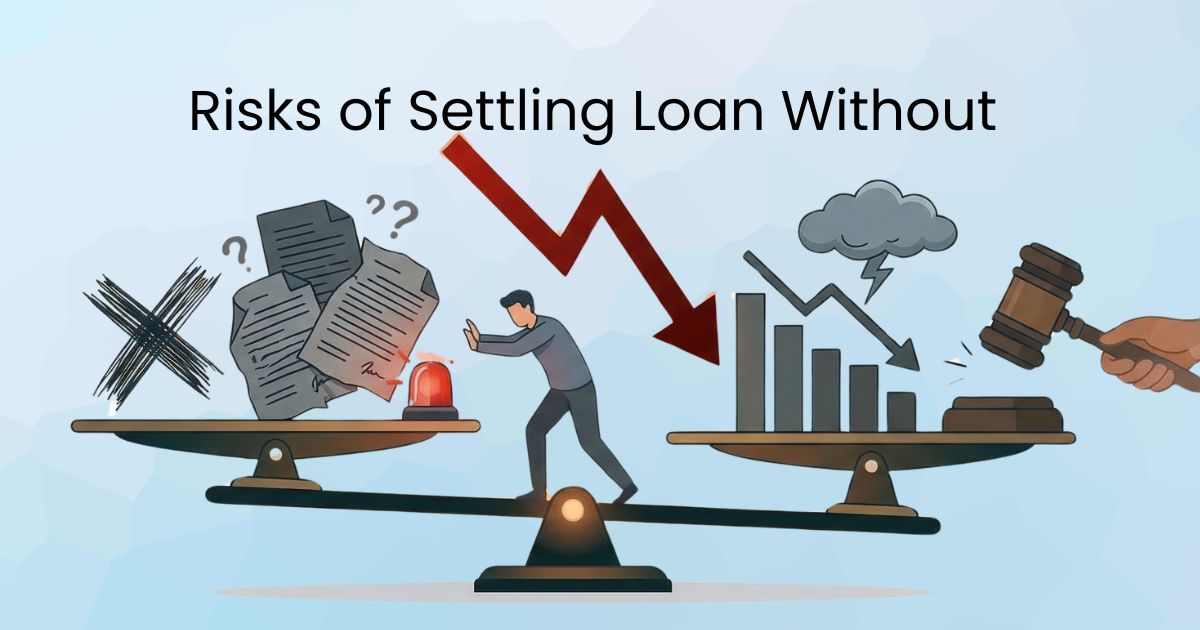
But this is exactly where the danger begins. Most “double money” schemes are built on unrealistic promises. What appears to be easy income often hides scams, illegal investments, or high-risk setups. Instead of earning profits, people lose their hard-earned savings. Soon after, recovery calls start coming in, pressure builds up, and stress takes over daily life.
In this blog, you’ll understand what the double money trap really is, why people fall for it, how these schemes operate, and how to protect yourself from financial loss and recovery harassment. Awareness is your strongest protection.
Understanding the Double Money Trap
The double money trap refers to schemes that promise very high or “guaranteed” returns within a short period. These offers usually spread through social media ads, WhatsApp messages, online apps, or even personal contacts.
The message is simple: invest once and quickly receive double the money.
What is often missing is transparency. There is little clarity about:
● How profits are generated
● Where returns actually come from
● What risks are involved
● What happens if payments stop
In many cases, there is no real business behind the promise. The system depends on new investors bringing in fresh money. Once new inflow slows down, the scheme collapses.
People are then left with financial losses, emotional stress, and sometimes aggressive recovery calls, especially if borrowed money was involved.
Understanding this early helps you stay alert and avoid becoming a victim.
How People Fall Into the Double Money Trap
People don’t fall into these traps because they are careless. They fall because these schemes are designed to look convincing and urgent.
- Unverified Platforms and Illegal Loan Apps
Many double money traps operate through unverified platforms or illegal loan apps. These platforms are often not properly registered, hide ownership details, and display fake reviews or edited profit screenshots to appear trustworthy.
Some even encourage users to take loans first and then “invest” the borrowed money for quick returns.
When returns stop, the real problem begins:
● Investments disappear
● Personal data may be misused
● Recovery calls start
● Emotional pressure increases
What looked like an income opportunity turns into debt and harassment.
- Hidden Terms and Unlimited Harassment
Many victims agree without reading detailed terms and conditions. Hidden clauses may include:
● Very short repayment timelines
● High penalty charges
● Permission to access phone contacts
● Repeated follow-ups and aggressive communication
Once payment is delayed or losses occur, calls may start at odd hours. In some cases, messages are sent to family members or friends.
Stress escalates quickly. What initially looked like an opportunity for growth becomes a source of daily anxiety.
- False Sense of Easy Income
The biggest trap is emotional. The promise of easy income creates overconfidence.
People start thinking:
● “This one looks genuine.”
● “Others are earning from it.”
● “I will exit early and stay safe.”
This mindset reduces caution. Many invest more than they can afford to lose, or worse, invest borrowed money.
When the scheme fails (as most do), the financial loss feels devastating. On top of that, loan repayment pressure and recovery calls increase the emotional burden.
How to Avoid Falling for Such Traps Again
Preventing future losses requires slowing down and verifying before investing. Follow these principles:
● Question any “guaranteed” or unrealistic returns
● Avoid pressure-based or time-limited offers
● Verify company registration and authenticity
● Never invest borrowed money
● Read terms carefully before agreeing
● Do not share personal documents or contacts blindly
● Consult a financial advisor before high-risk investments
If something sounds too good to be true, it usually is.
Conclusion
The “double money” trap does not just double financial losses, it doubles stress and recovery pressure as well. People who fall into these schemes often face nonstop calls, messages, and emotional anxiety.
What begins as hope for quick income slowly turns into regret and financial strain.
Before agreeing to any investment opportunity, pause. Ask questions. Verify facts. Understand the risks. Protecting your peace of mind is far more important than chasing unrealistic returns.
If you have seen or experienced such schemes, share your thoughts in the comments. Your experience may help someone else avoid falling into the same trap.
Frequently Asked Questions
. Are guaranteed returns ever safe in real investments?
No. Genuine investments always involve some risk. Guaranteed or very high returns in short time are usually warning signs of traps.Why does harassment increase after money is lost?
Once payments stop or loans cannot be repaid, calls and messages increase. This creates fear and pressure, making the situation emotionally worse.Is investing borrowed money a safe idea?
No. Investing borrowed money increases risk. If the scheme fails, you lose savings and still have loans to repay.What is the biggest warning sign of a double money trap?
Pressure to act fast without giving clear details. Real opportunities allow time to think, ask questions, and verify information.How can people protect themselves from future traps?
By questioning offers, verifying platforms, avoiding rushed decisions, reading terms carefully, and never sharing personal data blindly.Disclaimer
The information shared in this blog is for general awareness only. Every individual’s situation may differ, and the actual process or outcome can vary based on personal and legal circumstances.