· Debt Settlement · 4 min read
Debt Settlement vs Paying Minimum Dues: Long-Term Impact
Understand the long-term impact of debt settlement versus paying minimum dues and how each option may affect your financial stability.

When facing financial pressure, borrowers often find themselves choosing between two common options: settling the debt or paying only the minimum amount due. At first glance, both may seem like short-term relief strategies. However, the long-term impact of debt settlement vs. paying minimum dues can be very different.
If you are navigating loan stress or credit card burden, it is important to understand how these choices may influence your financial stability over time.
What Does Paying the Minimum Due Mean?
Many credit card statements mention a “minimum due” amount. Paying this amount usually helps you avoid immediate default classification.
However, the remaining outstanding balance continues to exist. Over time, carrying forward unpaid balances may increase financial pressure, especially if additional charges accumulate.
Minimum payment may provide temporary breathing space, but it does not eliminate the debt.
What Is Debt Settlement?
Debt settlement typically involves negotiating outstanding dues when full repayment becomes difficult. It is often considered during financial hardship situations.
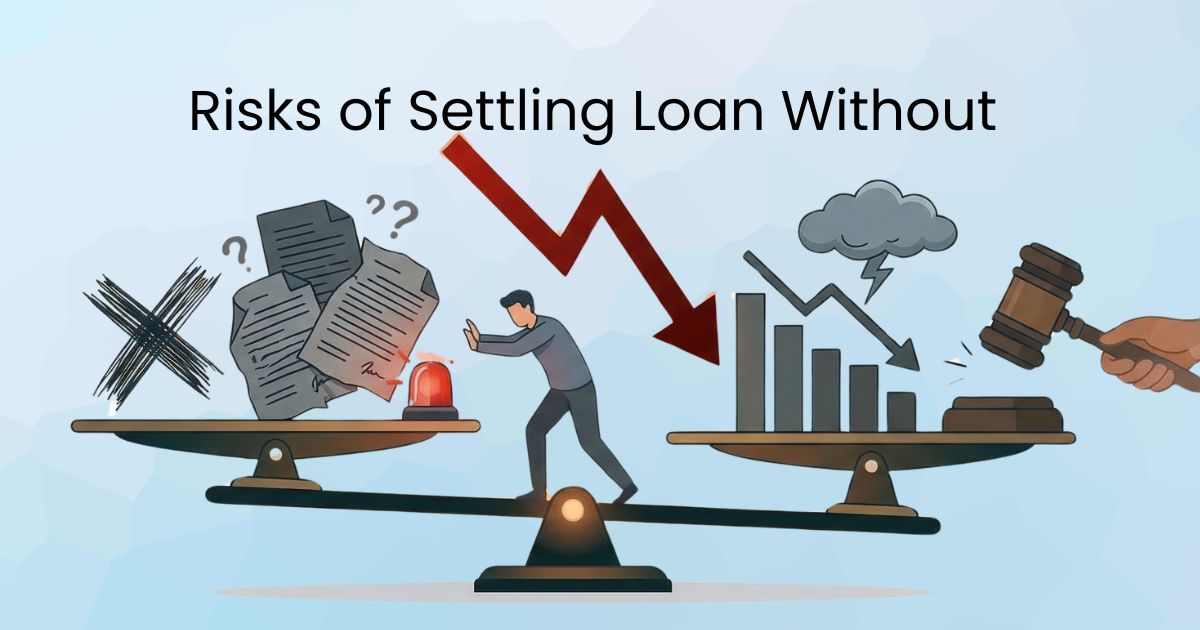
Settlement may reduce immediate pressure, but it can also be reflected in your credit history depending on circumstances.
Both options serve different purposes, and understanding their long-term implications is important before deciding.
Long-Term Impact of Paying Minimum Dues
1. Debt Continues for Longer
Since only a small portion is paid, the balance may remain active for an extended period.
2. Financial Stress May Continue
Carrying ongoing balances may create mental pressure month after month.
3. Budget Planning Becomes Difficult
Minimum payments can create the illusion of affordability, while the larger obligation remains.
4. Credit Behaviour Remains Active
Regular minimum payments may maintain account activity, but overall financial health depends on total outstanding balance management.
Long-Term Impact of Debt Settlement
1. Immediate Burden May Reduce
Settlement discussions may reduce immediate repayment pressure in certain hardship situations.
2. Credit Record Reflection
Settlement may be recorded in a credit history, which could influence future loan evaluation.
3. Emotional Relief
For some borrowers, structured closure through settlement may reduce ongoing anxiety.
4. Future Borrowing Considerations
Lenders may evaluate past settlement history differently when reviewing new applications.
Which Option Is Better?
There is no universal answer. The better option depends on:
Your income stability
Total outstanding amount
Ability to repay in full
Future financial goals
Emotional capacity to manage long-term payments
For someone with stable income and manageable debt, disciplined repayment may be sustainable.
For someone facing severe hardship, structured settlement awareness may be considered.
Each situation requires thoughtful evaluation.
Common Misconceptions
Myth: Paying minimum due solves the problem
It may delay escalation but does not eliminate debt.
Myth: Settlement permanently ruins financial future
Settlement may impact credit history, but long-term behaviour also matters.
Myth: One option is always better than the other
Financial decisions depend on individual circumstances.
Questions to Ask Yourself Before Deciding
Is my income stable enough for full repayment?
Am I only delaying the problem by paying minimum?
Will settlement provide structured closure?
How important is short-term relief vs long-term credit health?
Honest answers often guide better decisions.
Emotional Aspect of the Decision
Debt decisions are not purely mathematical. They affect mental health, family life, and long-term confidence.
Carrying debt for extended periods may cause ongoing anxiety. On the other hand, settlement decisions require careful understanding of implications.
Balancing financial logic with emotional stability is essential.
When to Seek Structured Guidance
If you feel unsure about the right path, structured guidance may help clarify options. Reviewing your financial profile objectively can reduce confusion.
If you are evaluating debt settlement or struggling with repayment pressure, platforms like ExpertPanel.org provide borrower-focused support to help individuals navigate such concerns responsibly.
Conclusion
The long-term impact of debt settlement vs. paying minimum dues depends on your financial condition and goals. Minimum payments may provide temporary relief but extend repayment. Settlement may reduce the immediate burden but can influence credit evaluation.
Rather than reacting emotionally, consider your broader financial plan. Sustainable decisions are built on clarity, discipline, and realistic expectations.
Financial recovery is rarely about speed; it is about stability.
FAQs
1. Is paying the minimum due harmful?
It may provide short-term relief, but it does not eliminate the full outstanding amount.
2. Does settlement affect credit history?
Settlement may be reflected in credit records depending on circumstances.
3. Which option is less stressful?
Stress levels vary based on individual financial condition and goals.
4. Can I switch from minimum payment to full repayment later?
Some borrowers adjust repayment strategies as their financial situation improves.
5. Should I take professional advice before settling?
Many individuals seek guidance before making significant financial decisions.
Disclaimer
The information shared in this blog is for general awareness only. Every borrower’s situation may differ, and the actual process or outcome can vary based on individual circumstances.
.zGxLm85-.jpg)